WARNING
Yellow triangle: take care
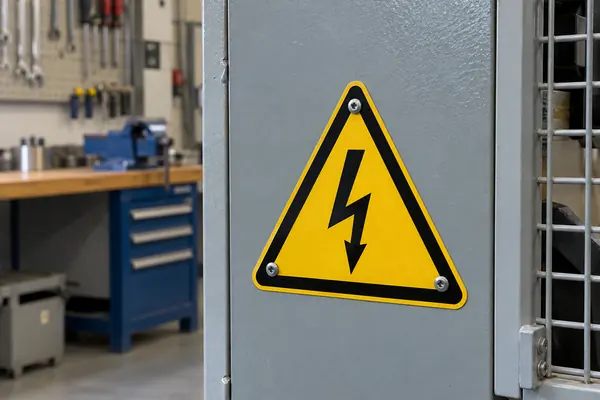
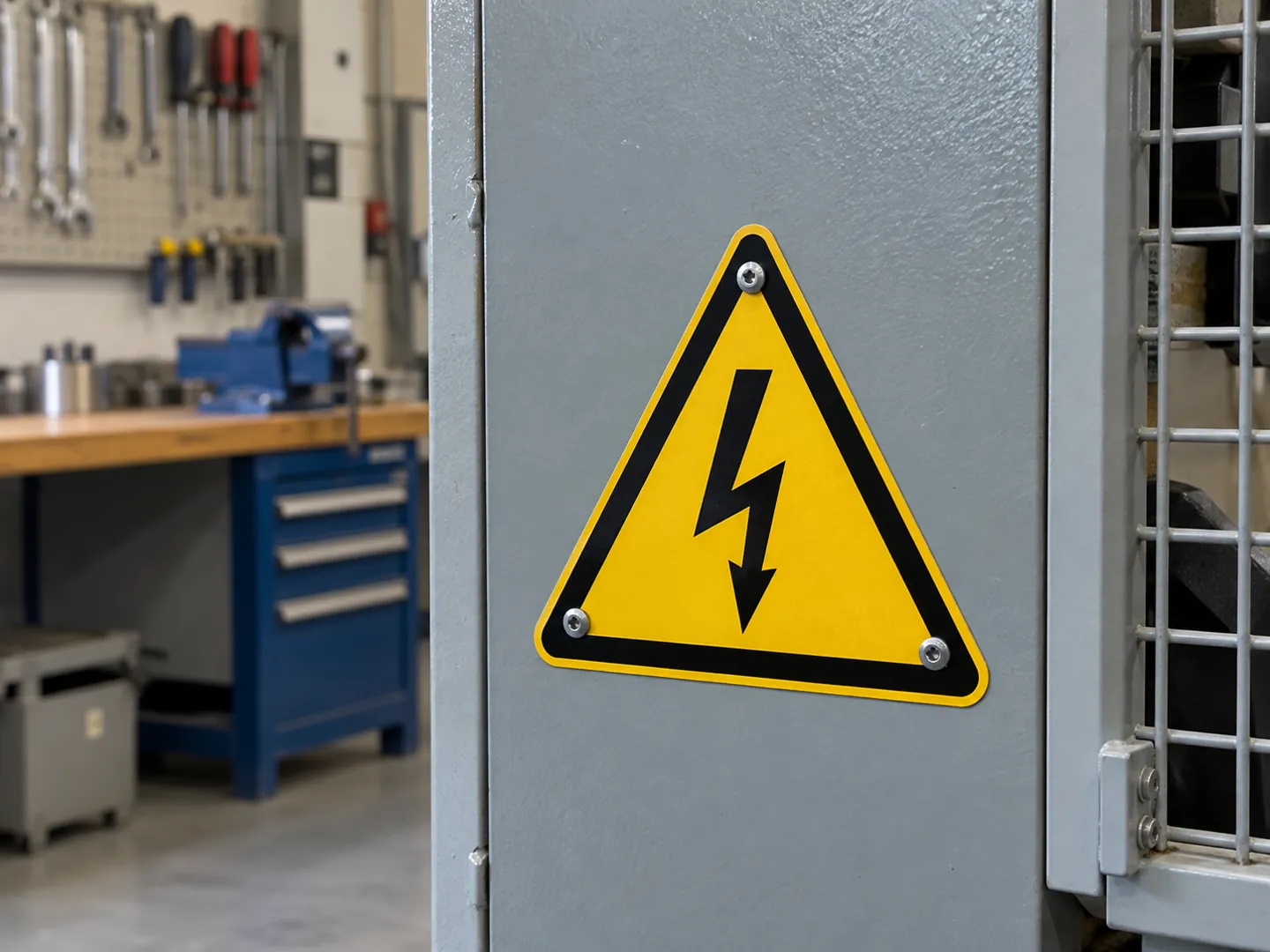
Warning signs are triangles with a black pictogram on yellow, the yellow covering at least half the sign. Yellow means be careful, take precautions.
Decode a sign doodlelogos
WHAT THE REGULATIONS SAY
Before you read the words, the sign has told you.
Decode a sign
COLOUR + SHAPE= the message
UK safety signs follow a code set out in the Health and Safety (Safety Signs and Signals) Regulations 1996. Each colour and shape has one job: forbid, warn, instruct or guide. The little picture in the middle fills in the detail.
Updated
THE SHORT ANSWER
Shape and colour carry the meaning.
The pictogram says what it is about.
WARNING
Warning signs are triangles with a black pictogram on yellow, the yellow covering at least half the sign. Yellow means be careful, take precautions.
Decode a signMANDATORY
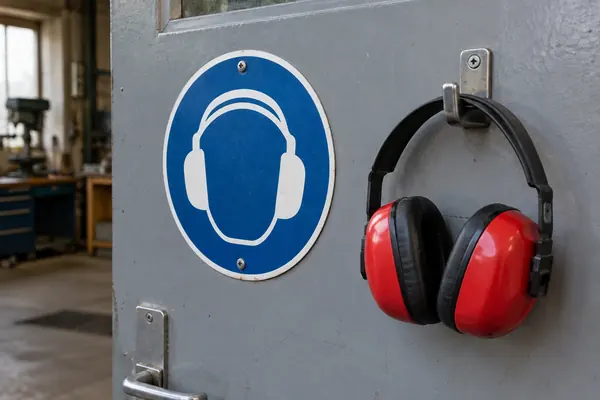
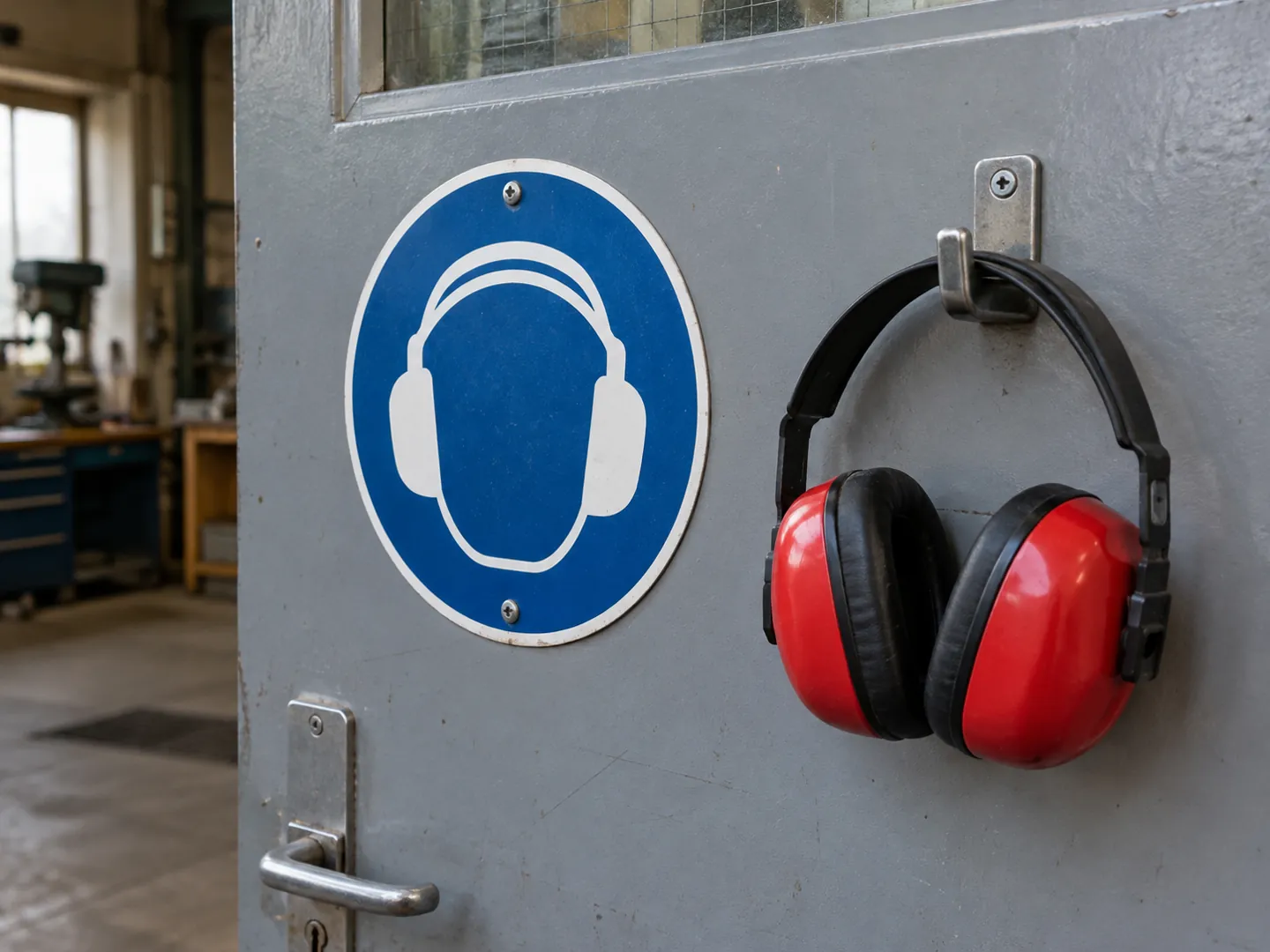
A white pictogram on a blue circle tells you to do something, such as wear ear or eye protection. Any text with it should say 'must'.
Using signs wellESCAPE
Emergency escape and first-aid signs are white pictograms on green rectangles or squares, often with words like 'Fire exit' beside the running figure.
See the numbersA QUICK SIGN CHECK
Pick a colour and shape to see what it means under the 1996 Regulations. The bar shows how directly the sign controls what you do.
Based on Schedule 1 of the Health and Safety (Safety Signs and Signals) Regulations 1996 and HSE guidance L64.
TWO NUMBERS WORTH KNOWING
One figure from the Regulations,
one from a study of how well signs are understood.
≥ 50%
Minimum share of the sign in its safety colour
Yellow on warning signs, blue on mandatory signs, green on escape signs and red on fire-fighting signs must each cover at least half the sign. On prohibition signs the red must cover at least 35%.
DESIGN · 1996 REGULATIONS
66.6%
Average share of 22 signs understood
When 139 workers were asked what 22 common signs meant, scores ranged from 98.6% for the best-known sign to 22.5% for the least. Prohibition signs scored highest and warning signs lowest.
UNDERSTANDING · HELIYON 2023
Fewer than 40% understood the toxic material, defibrillator, overhead obstacle and 'disconnect mains plug' signs. The study's author says trainers should teach the actual meaning of signs like these.
FOUR RULES FROM THE GUIDANCE
HSE guidance says safety signs are required where a significant risk remains despite all other relevant measures being in place. Signs must be clear and legible.
Avoid using too many signs, which may cause confusion. A sign must be removed when the situation it refers to no longer exists.
Pictograms should be as simple as possible and contain only essential details. Small variations are fine if the meaning stays the same.
Supplementary text should fit the sign's category. A mandatory sign's text should say 'must', not 'should' or 'may'.
Obstacles and drops can be marked with yellow and black, or red and white, stripes at about 45° and of roughly equal size.
WHY SIGNS LOOK ALIKE
The 1996 Regulations put into UK law an EU Directive designed to harmonise signs, so a sign has the same meaning wherever it is used. HSE guidance also covers the international standard BS EN ISO 7010, whose pictograms can be used to comply.
If no suitable sign exists, employers may design their own, as long as it follows the same principles of shape and colour. Where hazardous chemicals are stored, the guidance says a warning sign from the Regulations, or the relevant CLP hazard pictogram, must be used.
Questions
It is a mandatory sign. A white pictogram on a blue circle tells you to carry out a specific action, such as wearing eye protection.
Under the 1996 Regulations green is the colour for emergency escape and first-aid signs, and for doors, exits, routes and facilities. It also signals no danger.
A red ring with a diagonal bar is a prohibition sign that forbids something. A red square or rectangle with a white pictogram marks fire-fighting equipment.
Yes, if no suitable sign exists. HSE guidance says a home-made sign must follow the same principles of shape and colour, and its pictogram should be as simple as possible.
Not always. A 2023 study of 139 workers found an average of 66.6% understood 22 common signs, with some, such as the defibrillator sign, understood by fewer than 40%.
ABOUT THIS NAME
doodlelogos.com is part of the DoodleSale portfolio. It isn't in an auction right now, but you can ask about leasing it.